
Transitional Care Management: How the 2, 7, and 14 Day Rules Work
How transitional care management works: the 2-business-day contact, 7 and 14 day visit rules, CPT 99495 and 99496, and the documentation to keep.
Reviewed by Muhammad Usman, PharmD, co-founder of Zenith Care Solutions.
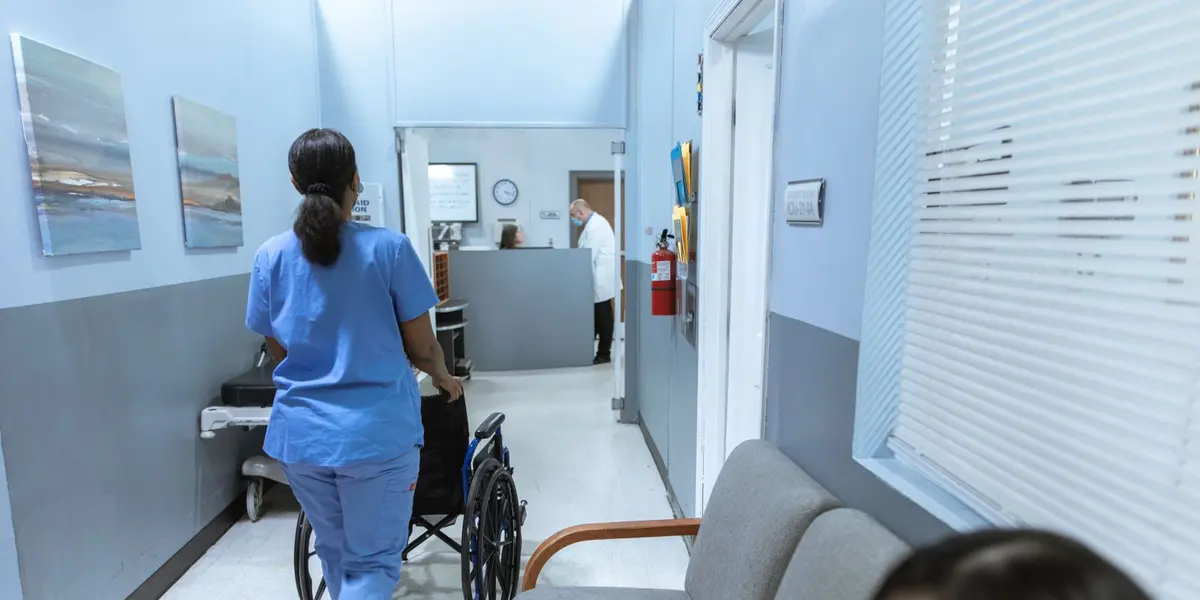
The weeks after a hospital stay are when patients are most likely to run into trouble: a medication gets missed, a follow-up never happens, and a readmission follows. Transitional Care Management (TCM) is the Medicare service built to close that gap, and it pays for the work. But TCM has strict deadlines. Miss one, and you miss both the care and the claim.
This guide explains the three requirements, how CPT 99495 and 99496 differ, and how to build a workflow that meets each deadline. It is educational and not billing advice, so confirm the current rules with your billing lead and CMS guidance.
What is transitional care management?
TCM covers the 30 days after a patient leaves a higher level of care and returns to the community. It pays for the non-face-to-face coordination plus one face-to-face visit.
Typical qualifying discharges include inpatient acute care hospitals, inpatient psychiatric units, skilled nursing facilities, and long-term care hospitals, when the patient goes home or to another community setting such as an assisted living facility. Check the current CMS list for edge cases such as observation stays.
TCM is different from chronic care management. CCM is an ongoing monthly program for patients with multiple chronic conditions. TCM is a single, time-boxed episode triggered by a discharge. For a side-by-side look at all the care management programs, see CCM vs. RPM vs. PCM.
What are the three TCM requirements?
Every TCM claim depends on three things happening in order.
1. Interactive contact within 2 business days of discharge
Your practice must contact the patient or caregiver within two business days after discharge. The contact can be by phone, email, or in person, and it can be made by a physician or by clinical staff under the physician's supervision.
If the first attempts fail, document them. CMS has indicated that two or more timely, documented attempts can still support a TCM claim when everything else is met. Do not rely on this as a plan. Treat it as a safety net and aim to reach the patient on the first or second call.
2. Non-face-to-face care coordination
During the 30 days, your team supports the transition. This work typically includes:
- Reviewing the discharge information and any pending tests
- Reconciling medications (no later than the date of the face-to-face visit)
- Educating the patient and caregiver about the condition and self-management
- Making referrals and arranging community resources such as home health or equipment
- Scheduling the follow-up visit and any needed follow-up with specialists
3. A face-to-face visit within the required window
The visit has to happen inside a fixed number of days after discharge, and the timing and the complexity of decision-making set the code.
How do CPT 99495 and 99496 differ?
| Code | Medical decision-making | Face-to-face visit due | Approx. 2026 payment | |---|---|---|---| | 99495 | At least moderate complexity | Within 14 days of discharge | ~$220 | | 99496 | High complexity | Within 7 days of discharge | ~$299 |
Payment figures are approximate 2026 national averages and vary by Medicare locality. Check the current fee schedule for your region before you model revenue.
Two points trip practices up:
- The visit window sets the ceiling. If the visit happens on day 10, you cannot bill 99496 even if the decision-making was high complexity. Day 10 only supports 99495.
- Only one TCM code per patient in the 30-day period. And only one practitioner can report it.
When does the 30-day period start, and when can you bill?
The 30-day TCM period begins on the date of discharge and continues for the next 29 days. In recent years CMS has allowed practices to submit the claim once the face-to-face visit has been completed, rather than waiting for the full 30 days to pass. Confirm the current billing timing with your MAC (Medicare Administrative Contractor) before relying on this.
What does TCM documentation need to show?
An auditor reviewing a TCM claim will look for evidence that each deadline was met. Keep:
- The date of discharge and the source of that information
- The date and time of the interactive contact, who made it, and what was discussed, including documented attempts if the first contact failed
- The date of the face-to-face visit
- Evidence that medications were reconciled on or before the visit date
- The level of medical decision-making and the support for it
- Referrals, education, and any community resources arranged
What are the most common TCM mistakes?
- Missing the 2-business-day window with no documented attempts
- Billing the wrong code because the visit happened outside the 7-day window
- No documented medication reconciliation by the date of the visit
- Two practitioners billing for the same discharge
- Not knowing a patient was discharged until the window had already closed
- Billing TCM during a global surgical period by the same practitioner who performed the surgery
The last one is a billing-rule edge case. If a patient has had surgery, ask your billing lead before you submit.
How do you build a workflow that hits every deadline?
TCM is a deadline business. A simple timeline makes it manageable:
- Day 0 (discharge). Find out the patient was discharged and open a TCM case. This is the step most practices struggle with. Decide how you learn about discharges: hospital notifications, shared records, patient calls, or payer feeds.
- Days 1 to 2. Make the interactive contact. Ask about symptoms, medications, equipment, and transportation to the follow-up visit.
- Days 2 to 7. Gather the discharge summary, reconcile medications, and book the visit. If the patient is high risk, aim for the 7-day window.
- By day 14 at the latest. Hold the face-to-face visit.
- After the visit. Confirm documentation is complete, then submit the claim.
Booking the visit is often the bottleneck. A dedicated medical scheduler can protect slots in the first week so that discharge follow-ups do not wait for an opening.
Can you bill TCM and CCM for the same patient?
In recent years CMS has allowed certain care management services to be billed alongside TCM, but the rules around overlapping time and services are specific. If you plan to enroll a recently discharged patient into CCM, confirm the current combination rules with your billing lead first, and never count the same minutes toward both services.
Should you handle TCM in-house or outsource it?
TCM needs fast, reliable action at an unpredictable time. A discharge can happen on a Friday evening, and the contact deadline is only two business days away. If your team cannot respond that quickly every time, a partner can help.
Zenith's transitional care management service covers discharge tracking, the 2-business-day contact, medication reconciliation, discharge record review, and follow-up scheduling, working inside your EHR under a signed BAA while your practice stays the billing provider. To talk through how it would fit your workflow, book a 15-minute call.
Frequently asked questions
What counts as a business day for the 2-day contact?
Business days are Monday through Friday, excluding holidays. The count starts after the date of discharge. Check CMS guidance for the exact rule.
Can clinical staff make the TCM contact?
Yes. The interactive contact can be made by a physician or by clinical staff under the physician's supervision, as long as it is documented.
What happens if the patient is readmitted during the 30 days?
Only one TCM service can be reported in the 30-day period. Readmission affects how the episode is handled, so ask your billing lead how to treat it before you submit a claim.
Does the patient need to be on Medicare?
TCM is a Medicare service, and many other payers recognize the same codes. Coverage and rules vary by payer, so verify before you bill.
CPT code reference: CPT 99495 (visit within 14 days) and CPT 99496 (visit within 7 days).